
Classical Composers
Sir Hubert Parry (27 Feb 1848 – 7 Oct 1918)
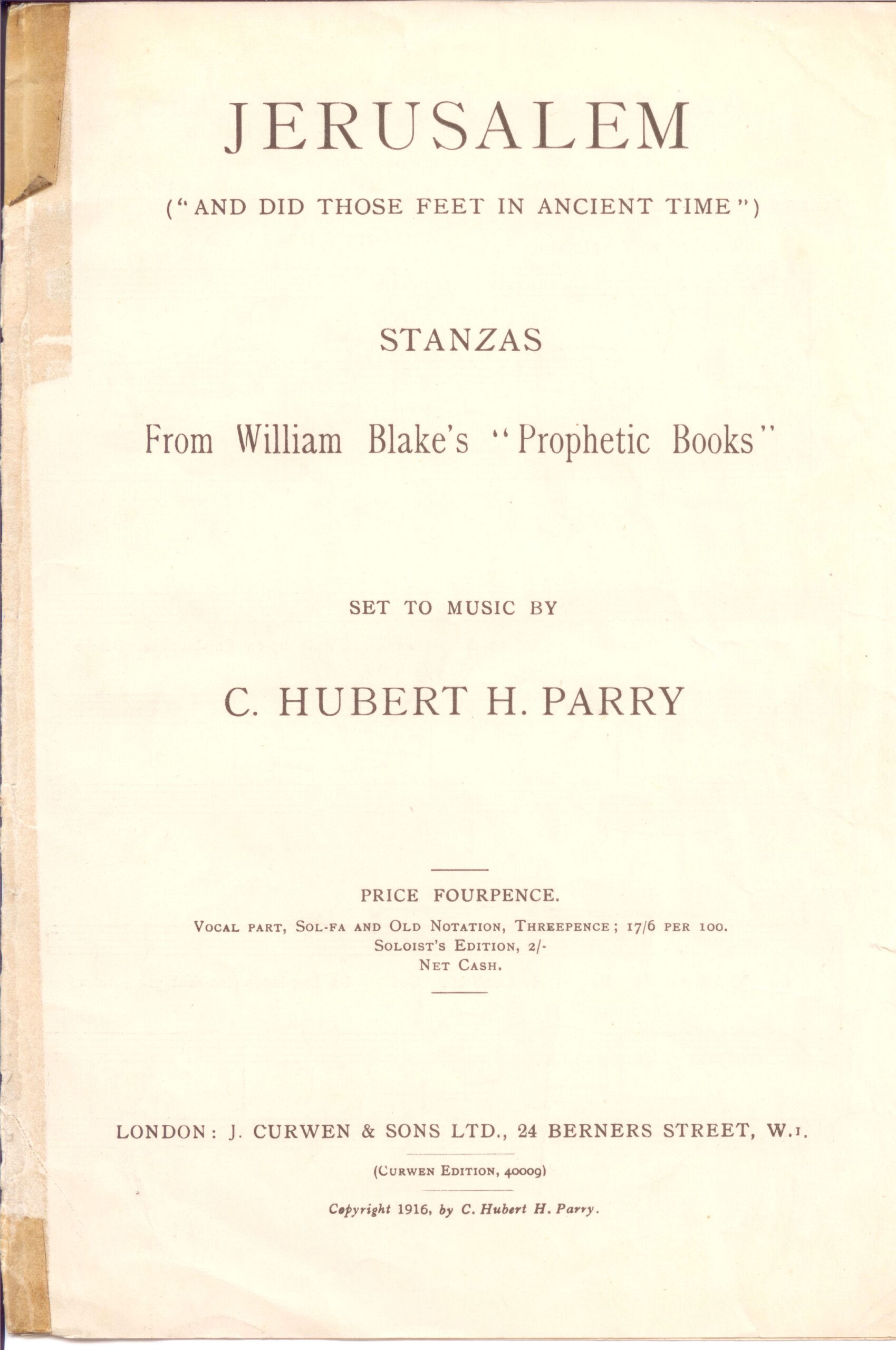 Parry was interested in music from a young age, but was not encouraged to make it a career. He gave music lessons and studied composition whilst he worked in insurance.
His reputation as a Composer grew, and he gave up his day job to concentrate on a musical career. The family moved to Rustington in 1879, first staying at Cudlow House, before building “Knightscroft House” nearby. Parry so loved the Village he named a tune after it and often referred to it as “Dear Little Rusty” in his diaries.
Parry died at his home in “Knightscroft House” and was interred at St Paul’s Cathedral on 16 October 1918.
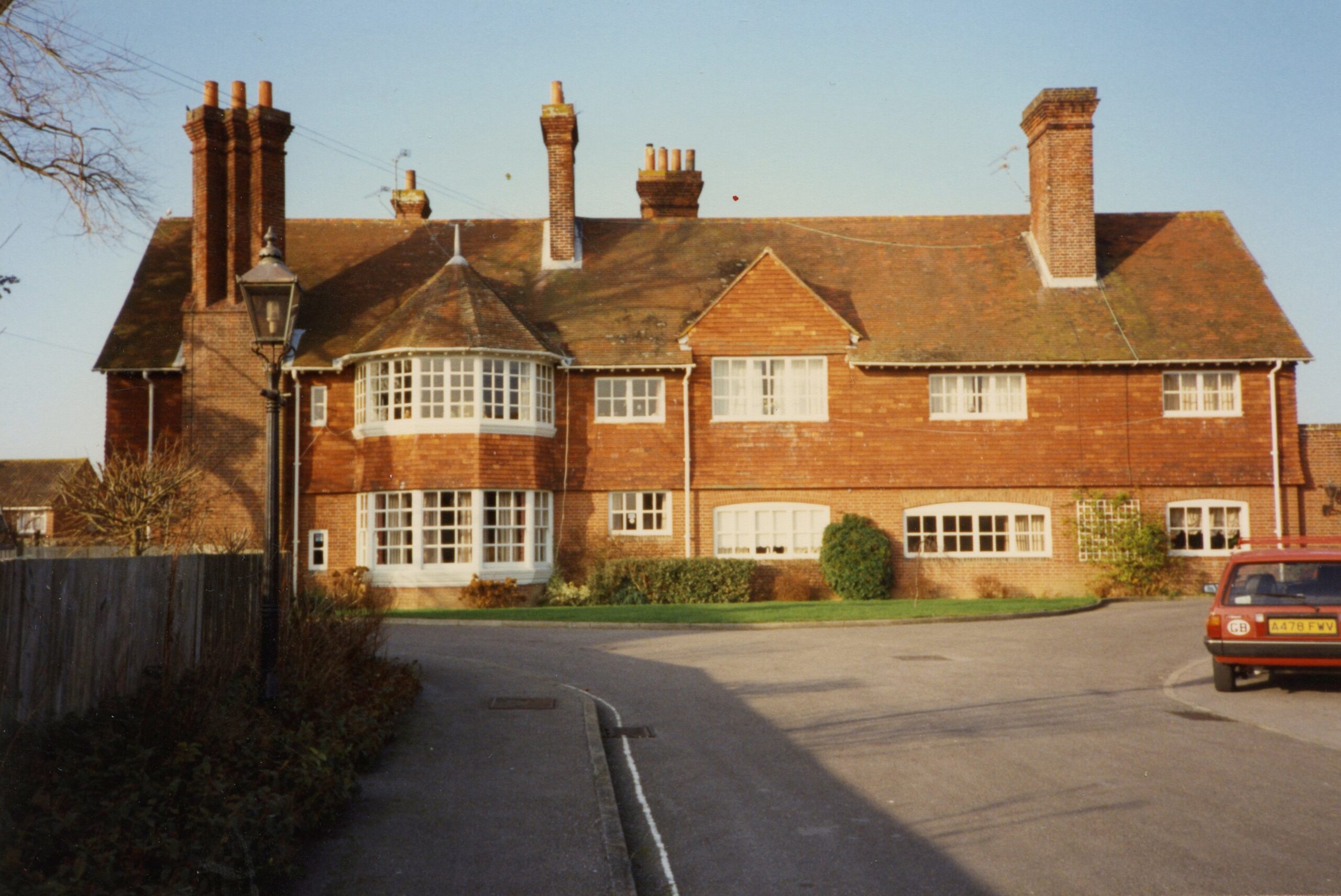
Knightscroft House
George Posford (23 Mar 1906 – 24 Apr 1976)
 Born in Kent as Benjamin George Ashwell, he became a professional Composer in 1930 and changed his name to Posford. He first specialised in radio work before moving into theatre.
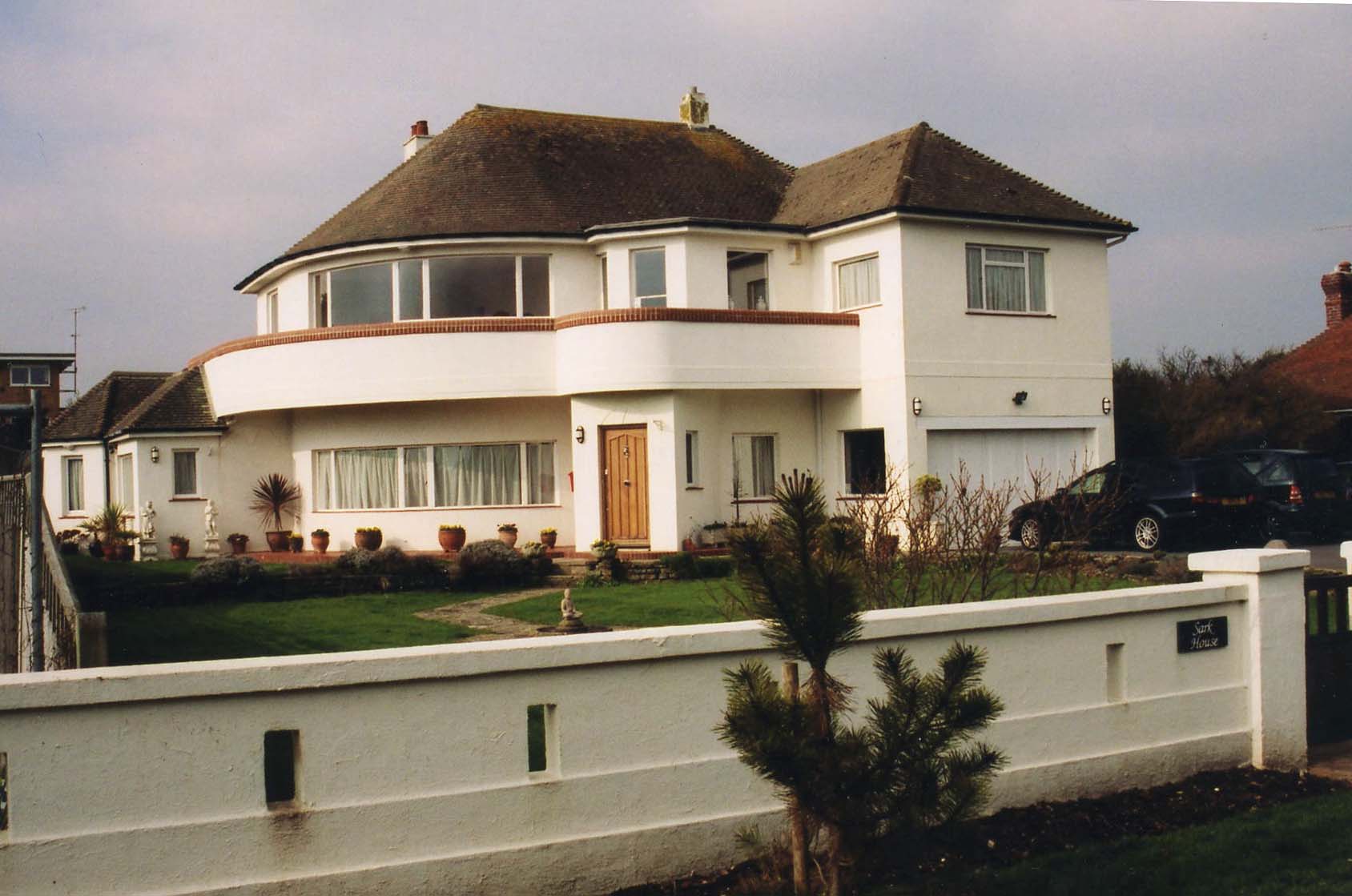
Posford built a home for himself in Sea Avenue. At the time, it was called “Sea Horses”, and is now known as “Sark House”. It is typical of the 1930s Art Deco style and the shape is said to resemble a piano. Many celebrities were party guests, including Noel Coward.
Female Classical Composers
Dame Ethel Smyth (22 Apr 1858 – 8 May 1944)
A strong supporter of Women’s Suffrage, Dame Smyth was born in Kent and started her musical studies aged 17. She made a name for herself as a Composer and, in recognition of her work, was made a Dame in 1922.
Dame Smyth was good friends with Rhoda and Agnes Garrett, living with them at “The Firs”. She was introduced to Parry in 1881, and in her diaries she records he lent her a canoe which she used regularly on her visits. He gave her musical critique and advice.
She dedicated a pieces of music to Rhoda upon her death, “String Quintet in E Major” (1883), which was later arranged as a piano duet.
Dr Emily Rosa Daymond (11 July 1866 – 10 October 1949)
Dr Daymond studied music at the Royal College of Music under Sir Hubert Parry, soon becoming a devoted disciple.
She stayed with Parry at Rustington on many occasions as his assistant, and they went on many bicycle rides together in the local area, sometimes to deliver Suffragist material. She completed and complied several of his musical works after his death.
Dr Daymond was the first woman to be granted a Doctorate of Music from Oxford and became the first Director of Music at the Royal Holloway College for Women.
Mary C D Hamilton (24 May 1850 – 10 June 1943)
Mary lived at “Marigolds”, a hotel at the corner of Holmes Lane and Sea Lane. She is best known for writing “A Hymn to Aviators” which was set to music by Sir Hubert Parry. It was played at Prince Philip’s funeral.
She was a supporter of women’s suffrage and friends with Rhoda and Agnes Garrett, holding fundraisers at the hotel grounds.
Classical Performers
Dame Nellie Melba (19 May 1861 – 23 Feb 1931)
After finishing school, a young Nellie from Australia decided she wanted a career in music. She later married Charles Armstrong in 1882 in Australia. In recognition of her fund-raising during World War 1 she was created a Dame in March 1918.
Charles’ mother. Lady Frances Armstrong, lived in Rustington, and Dame Melba came to visit her at “Seafield House” on Sea Road. Charles’ sister, Frances, was married at the Parish Church of St Peter and St Paul. Dame Nellie’s son, George, was christened at the same Church and she was known to perform there on occasion.
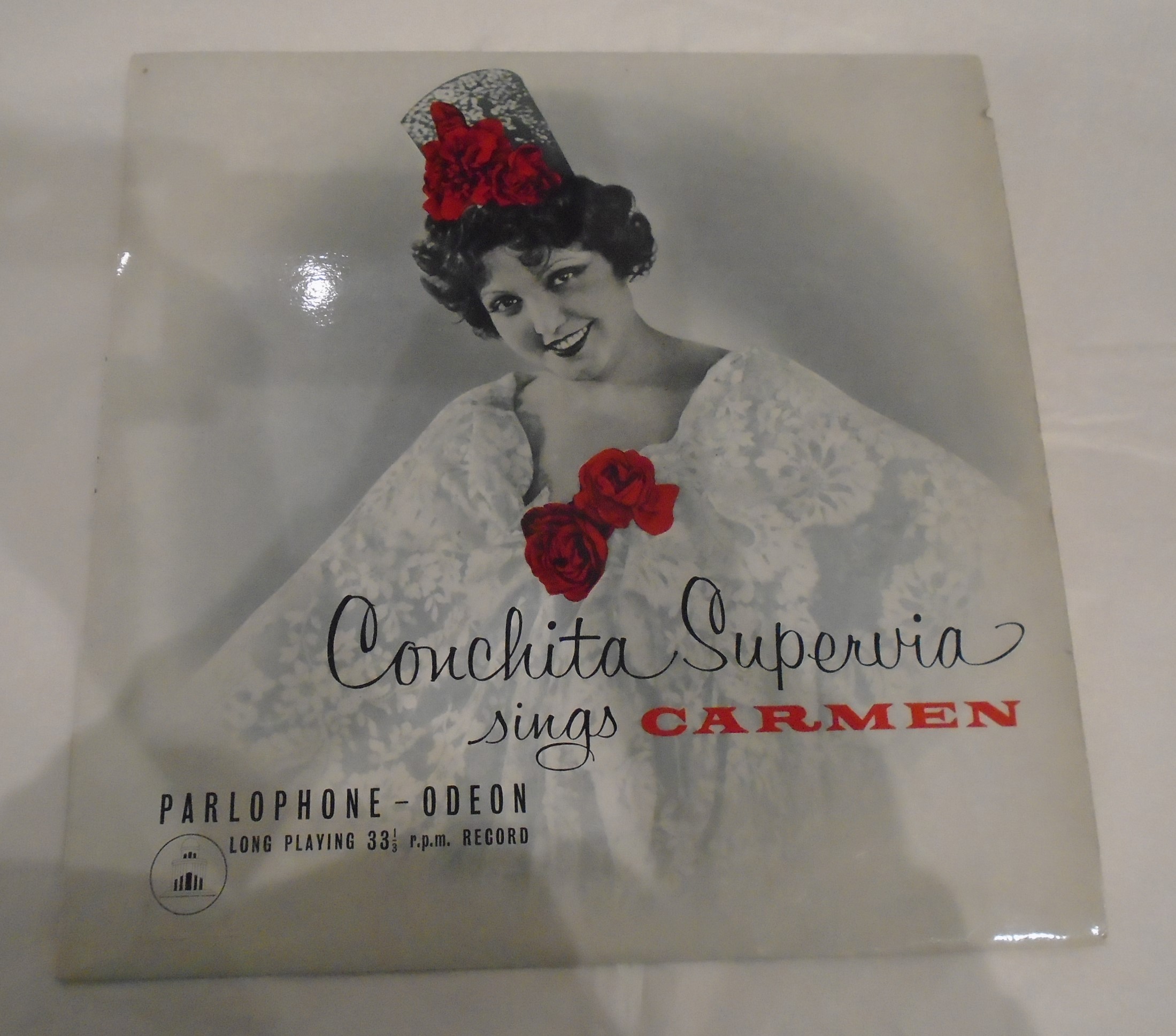
Conchita Supervia (8 Dec 1895 – 30 Mar 1936)
Conchita was born in Barcelona and rose to fame as an Opera Singer, and could sing in several languages. In 1931, she married Ben Rubenstein, a Nursery Gardener who had business in Rustington.
They lived together at “Timbers”, which was part of the Sussex Nurseries estate. He would send flowers grown in the Nursery for her after every performance. She was expecting her second child in March 1936, but it was stillborn. She died the same day and is buried, with her daughter, in the Liberal Jewish Cemetery in London.
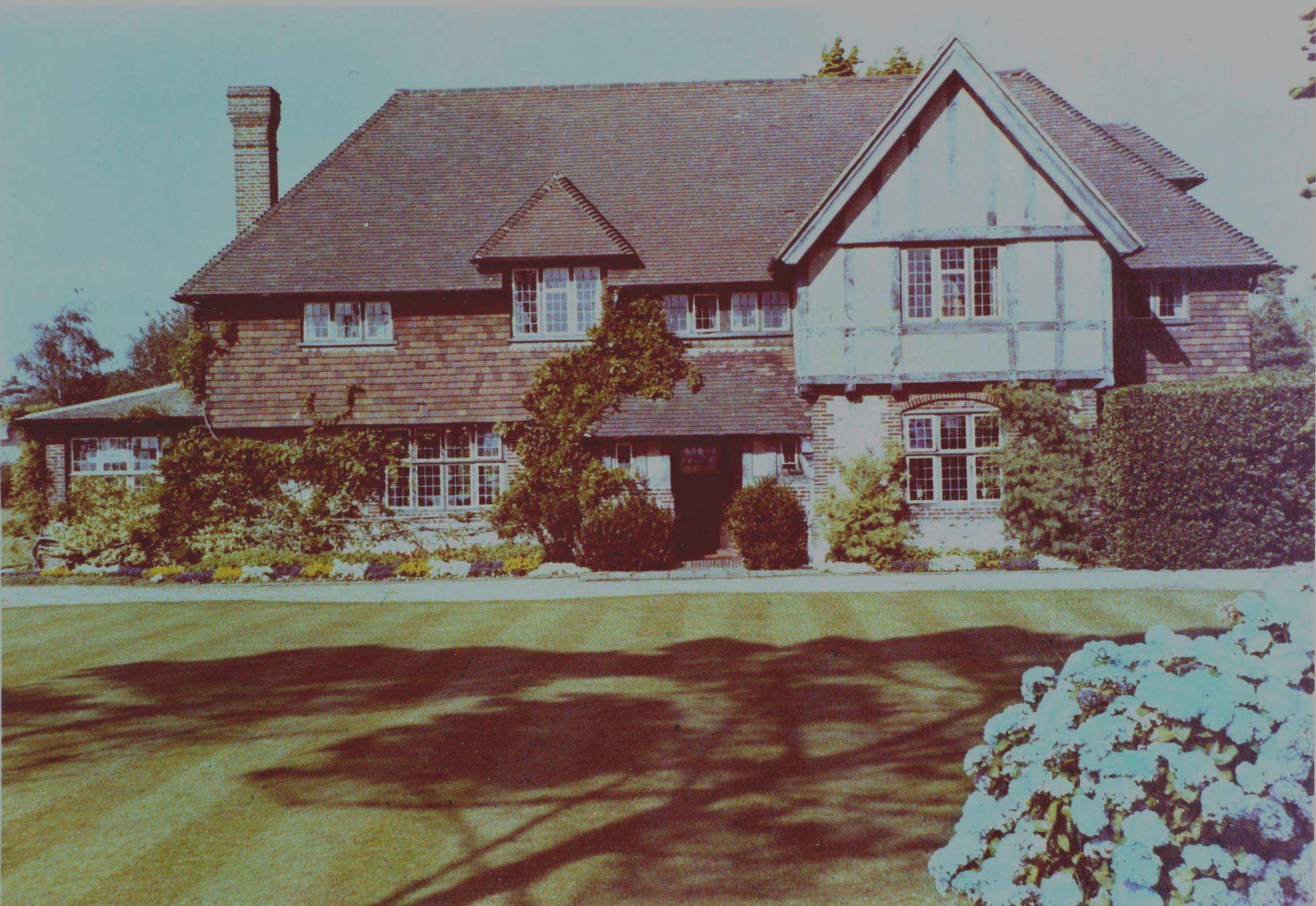
Timber – home of Conchita Supervia
Conchita Supervia’s album in the Museum Collection
Diana Poulton (18 Apr 1903 – 15 Dec 1995)
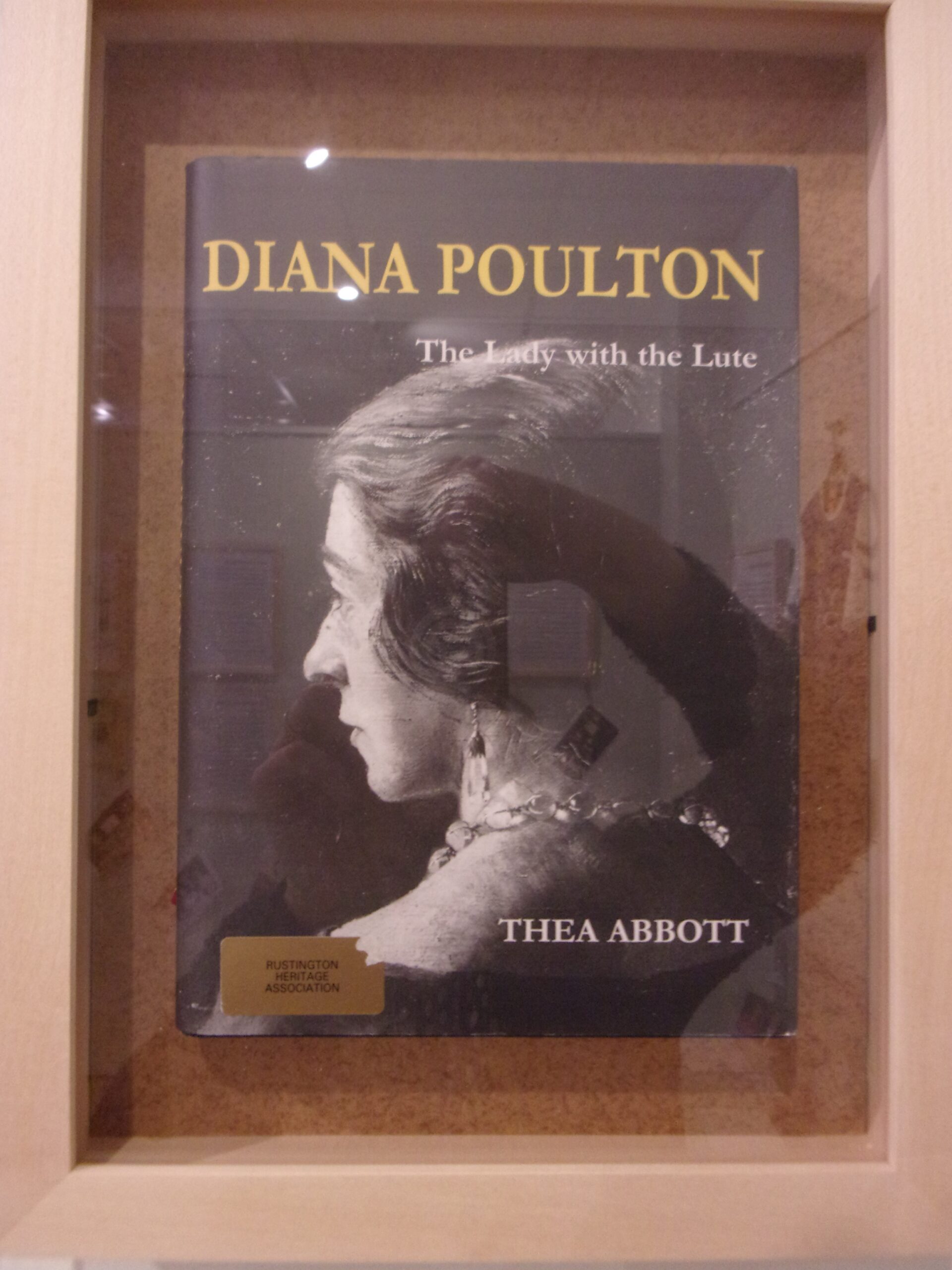
Book on Diana Poulton
Poulton’s maternal grandparents lived at “Walnut Tree House” in The Street, and she spent many childhood summers there. Thomas Figgis Curtis, her grandfather, was responsible for some of the stained glass in the Church windows.
Poulton first trained as an artist, like her mother, but it was the introduction to Arnold Dolmetsch’s lute music that changed her path. She was determined to learn for herself, and became a celebrated lutist, the only professional player in England. She was also responsible for much research into the history of lute music.
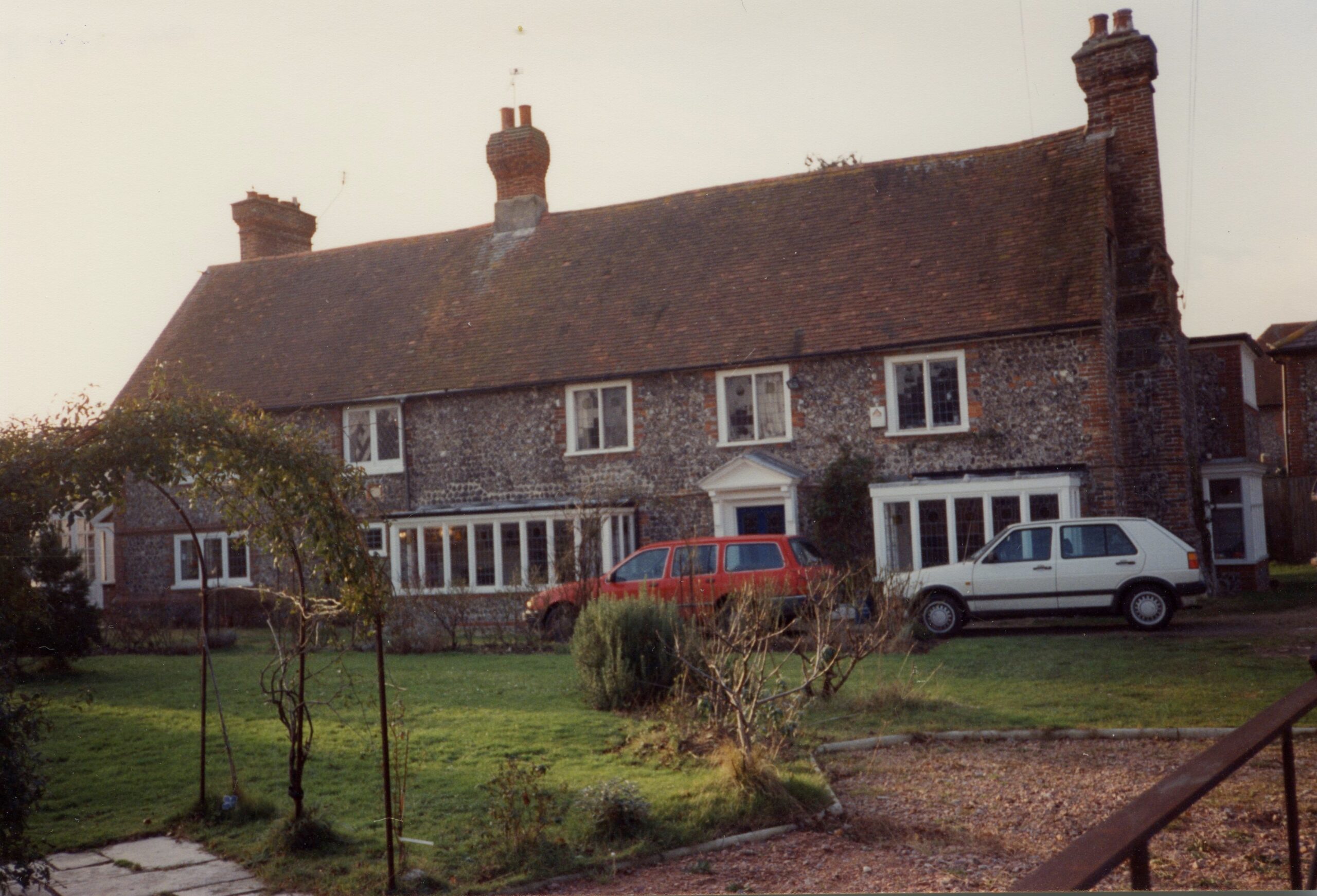
Walnut Tree House
Alice Verne-Bredt (9 August 1868 – 12 April 1958)
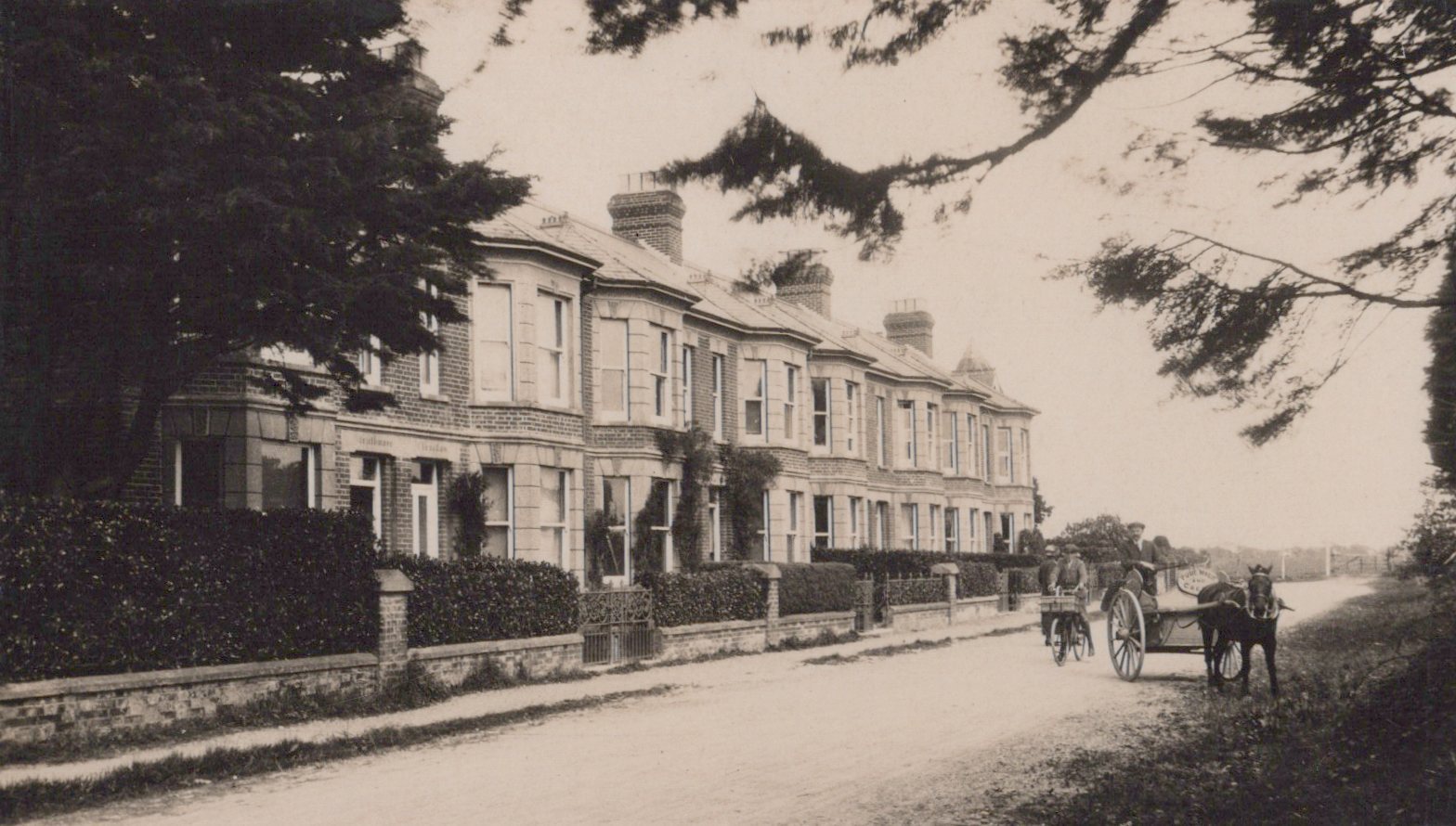
Glenville Road
Born into a musical family, Verne was a Composer and Violinist who pioneered teaching music to children.
In 1918 and into the 1920s, Alice lived with her husband, William Bredt (also a Composer) at “Teneriffe”, Glenville Road. She was a Patroness of the Littlehampton Musical Society.
She is best known for the “Phantasie Trio”, which she composed for the Cobbett Competition in 1908 and which earned her one of the prizes.
During her career, she contributed to her sister Mathilde’s Piano School, taking over the Junior Department. Whilst there, she was an innovator in using percussion bands in music education.
Entertainers
Teddy Brown (25 May 1900 – 29 April 1946)
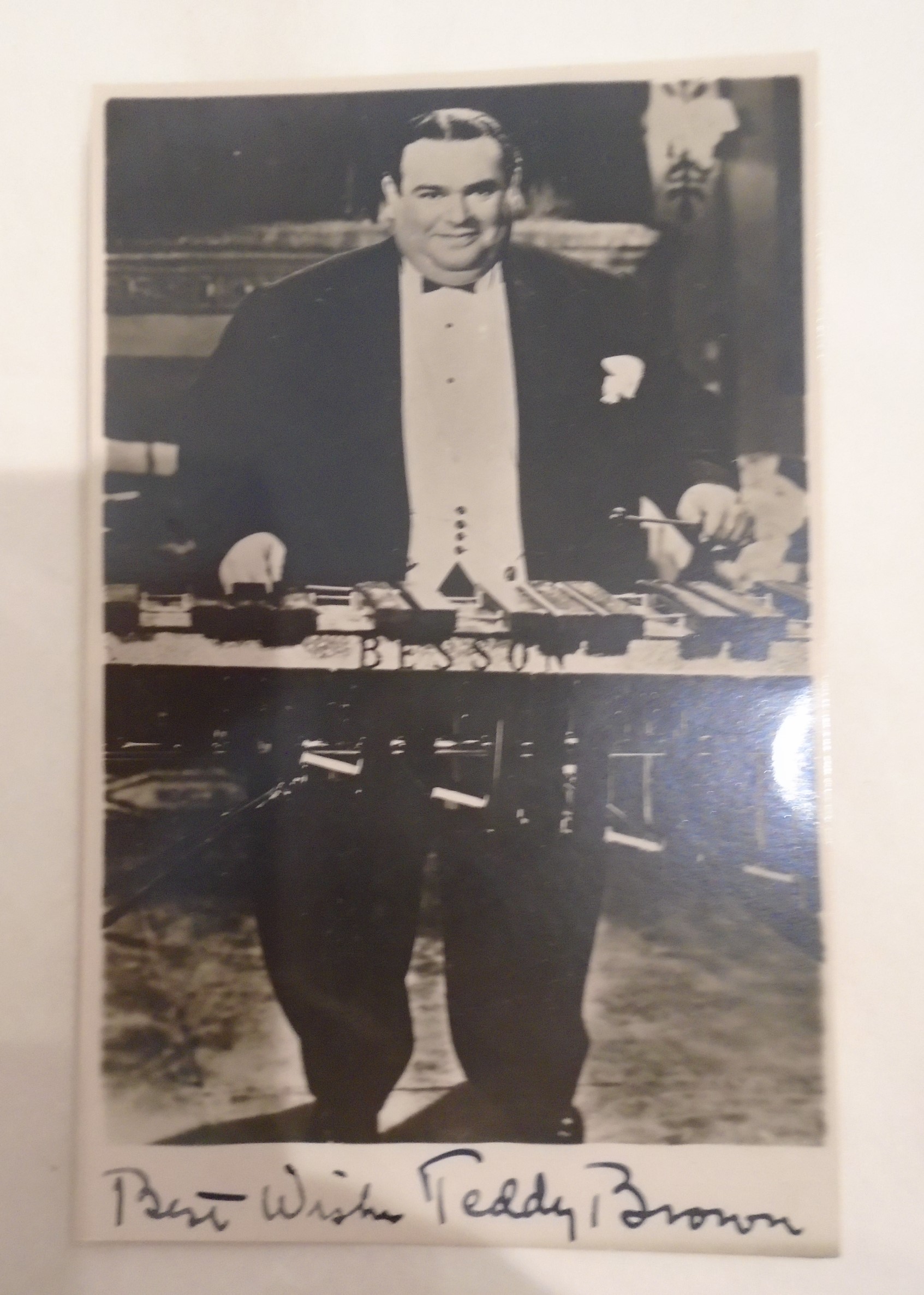
Teddy Brown playing the xylophone, with signature
Brown was best known for his xylophone playing and his appearance, which was nearly 24st. He was, however, notably nimble on his feet.
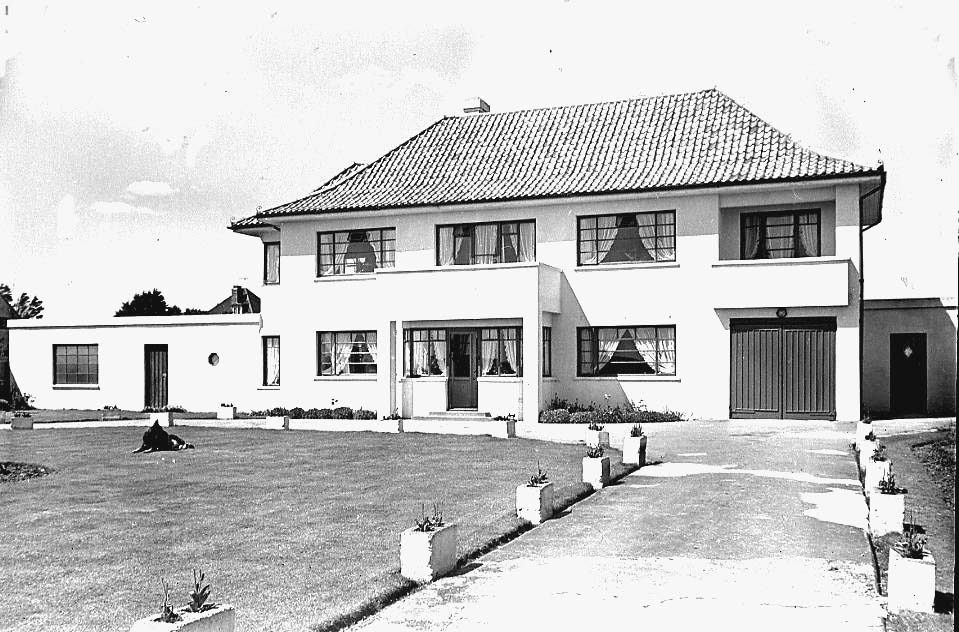
Xylophone House – home of Teddy Brown
His career started in America, before becoming a soloist and forming his own band. He played with many bands, including The Crazy Gang and was often the subject of their jokes.
He bought a house in Sea Road, Rustington, called “Clist St Mary” and changed the name to “Xylophone House”. If time allowed whilst he was at home, he attended local charity events and concerts.
Michael Flanders (1 March 1922 – 14 April 1975)
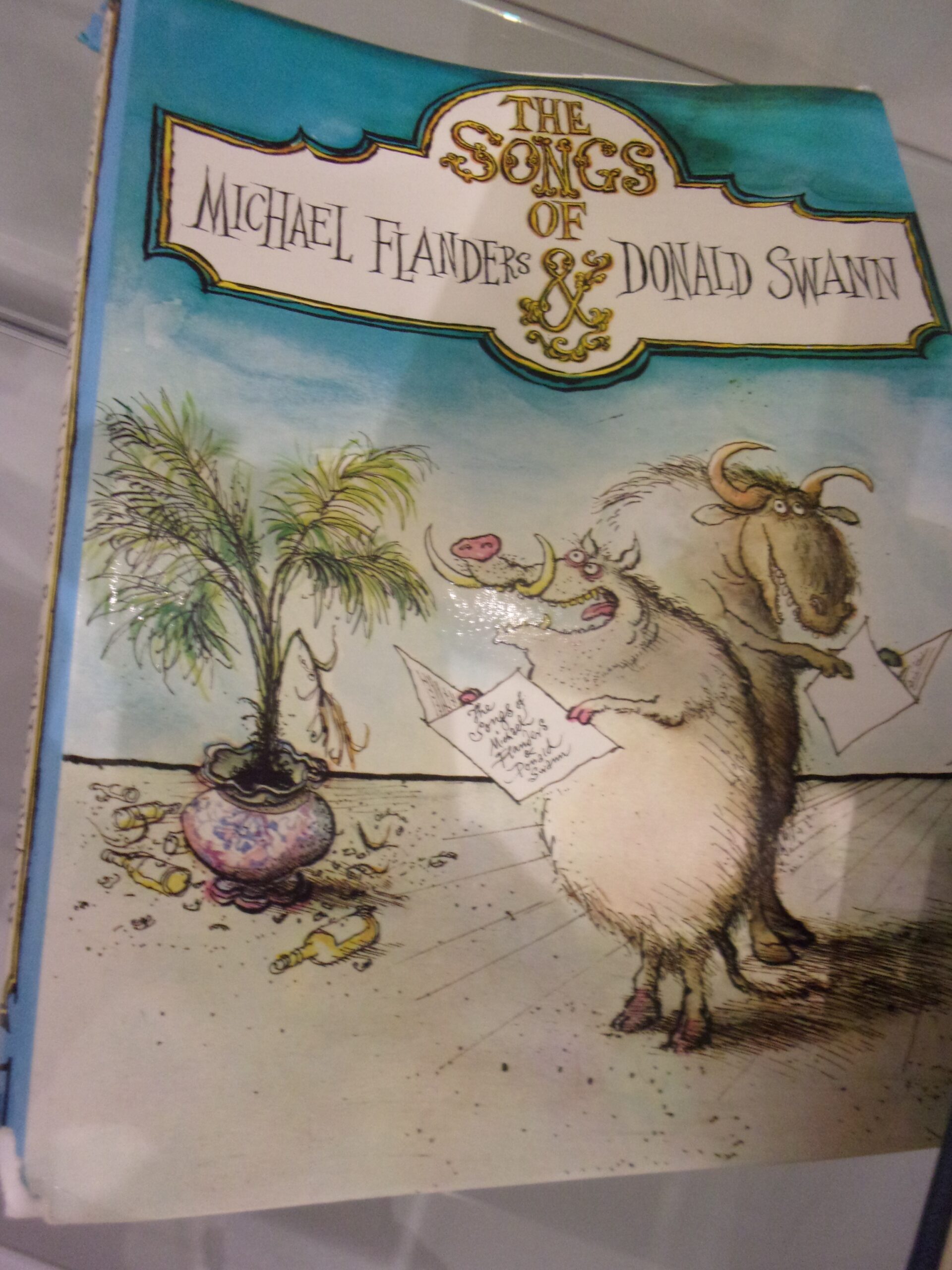
Front cover to a Flanders and Swann book, fetauring the KODAK Digital Still Camera
One half of the comedy duo Flanders and Swann, Michael had a summer home in Millfield Close. The duo immortalised the Village in the “Gnu Song”.
As a young man, Flanders started on an acting career. He contracted Polio whilst serving in the Navy during WW2 and spent the rest of his life in a wheelchair. This did not stop him from having a successful career in the performing arts and being an advocator of accessibility for wheelchair users.
The Crazy Gang
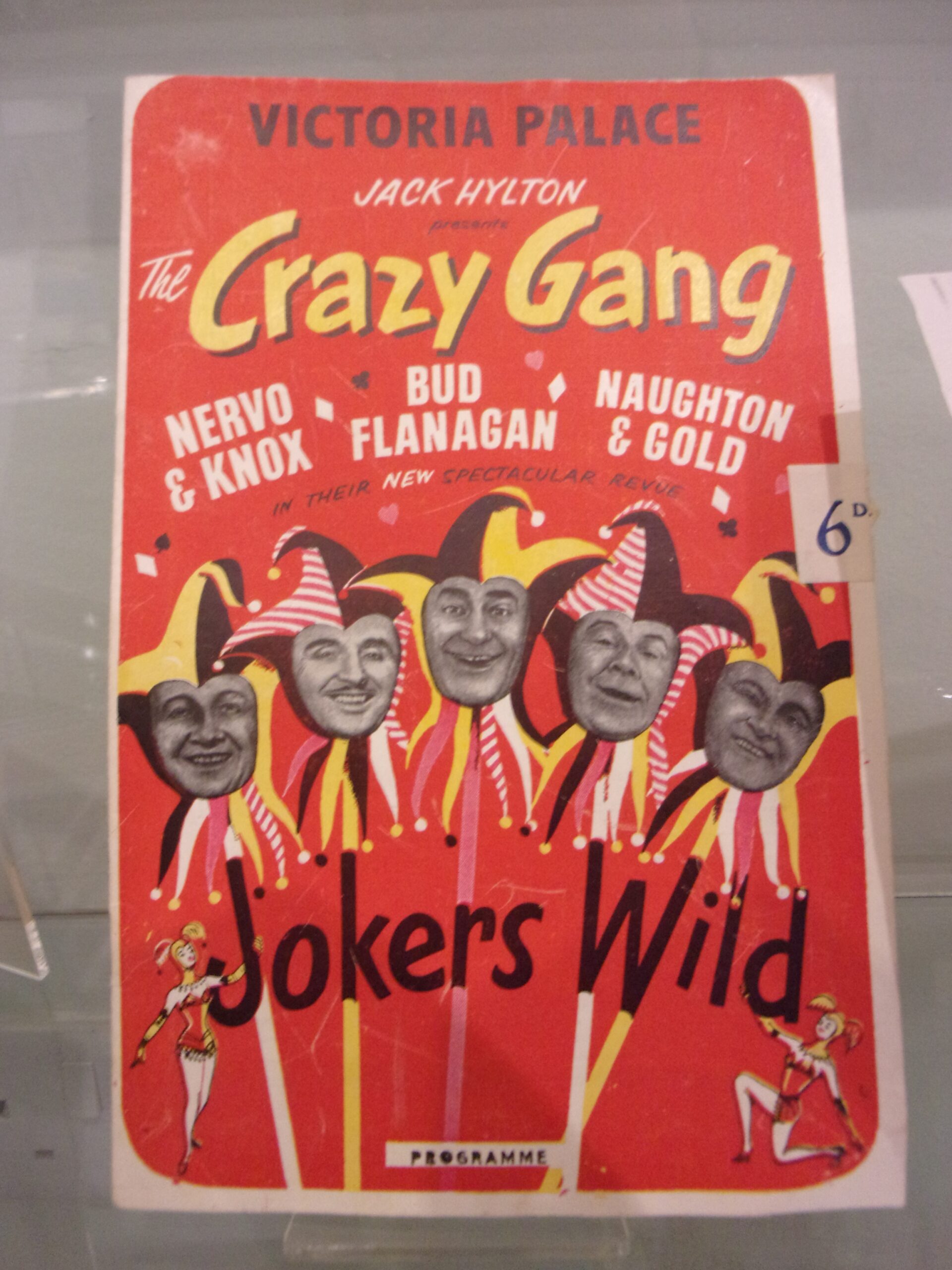
Programme from a Crazy gang show
Several members of the 1930s entertainment group lived at Kingston Gorse. They were George Black, Bud Flanagan, Teddy Knox and Charlie Nervo. Part-time member, Stanley Holloway lived in Angmering and is buried in East Preston.
Modern Performers
Royal Blood
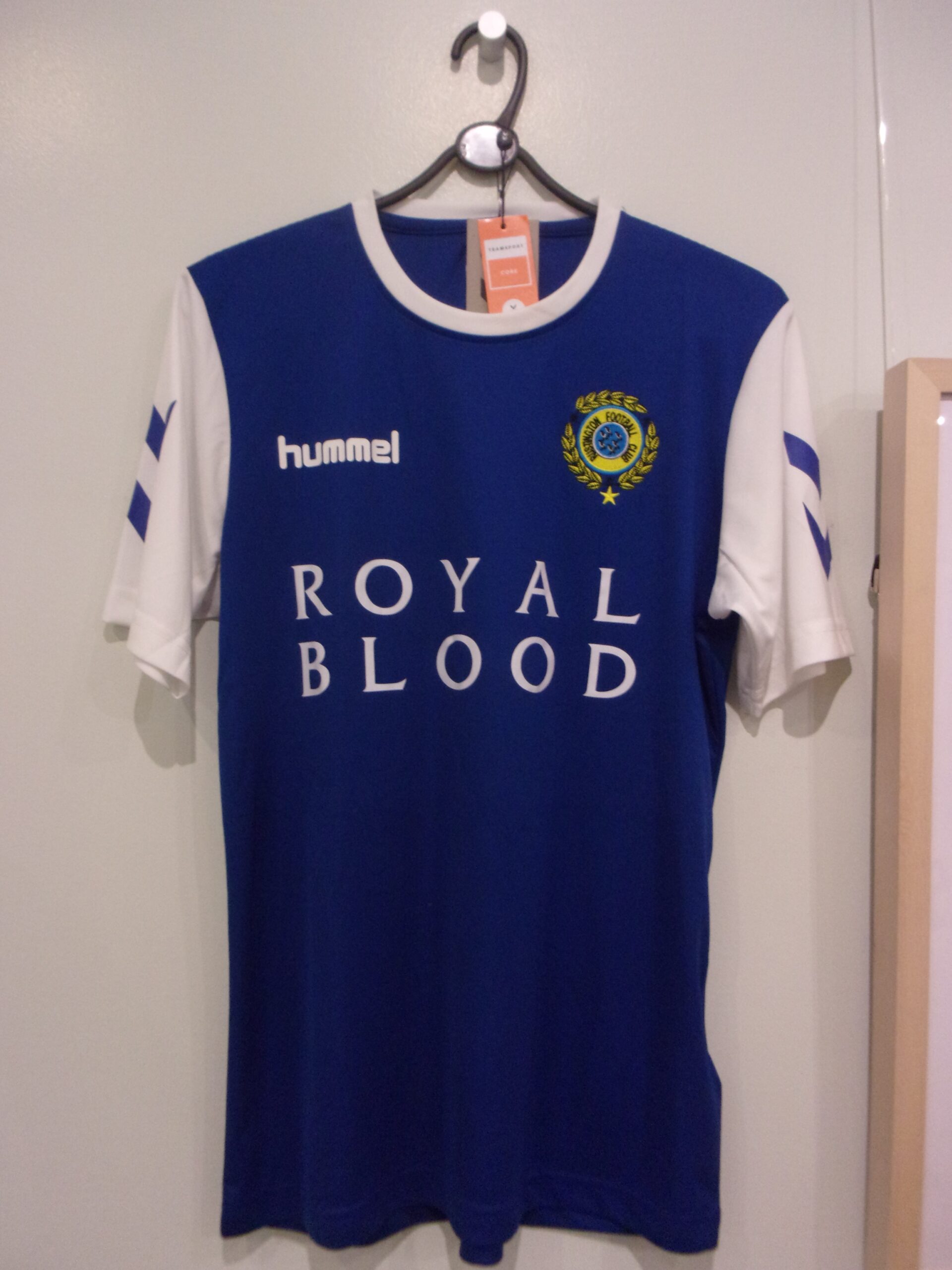
Rustington Football Cub shirt with Royal Blood sponsorship
Drummer Ben Thatcher grew up in Rustington and went to Rustington Community Primary School. The band released their first EP and album in 2014 and sponsored Rustington Football Club team in 2020.
They have gone on to play at Glastonbury and Reading Festivals, winning the Brit Award for Best Band in 2015, beating Coldplay and One Direction!
Delirious?
The band started in 1992 as “The Cutting Edge Band” for The Arun Community Church Cutting Edge events. Jon Thatcher, bass player, was born in Rustington. The band released several EPs. The name changed to Delirious? in 1996.
Following international success, the band split in November 2009, and Thatcher formed a new band called One Sonic Society. Jon is the elder brother of Ben Thatcher of Royal Blood.
Nigel Hitchcock (4 January 1971 – )
Born in Rustington, Hitchcock started to play the alto sax at eight years old and joined the National Youth Jazz Orchestra, taking the lead alto chair for the next five years.
He began his career in London aged 16, including TV jingles, movie soundtracks, and pop solos. After being involved with saxophone quartet Itchy Fingers, he continued as a pop and session musician. He has worked extensively in many studios for over 30 years and has an enviable discography including Robbie Williams, Ray Charles, Kate Bush and Kylie Minogue.
Dolphin Court
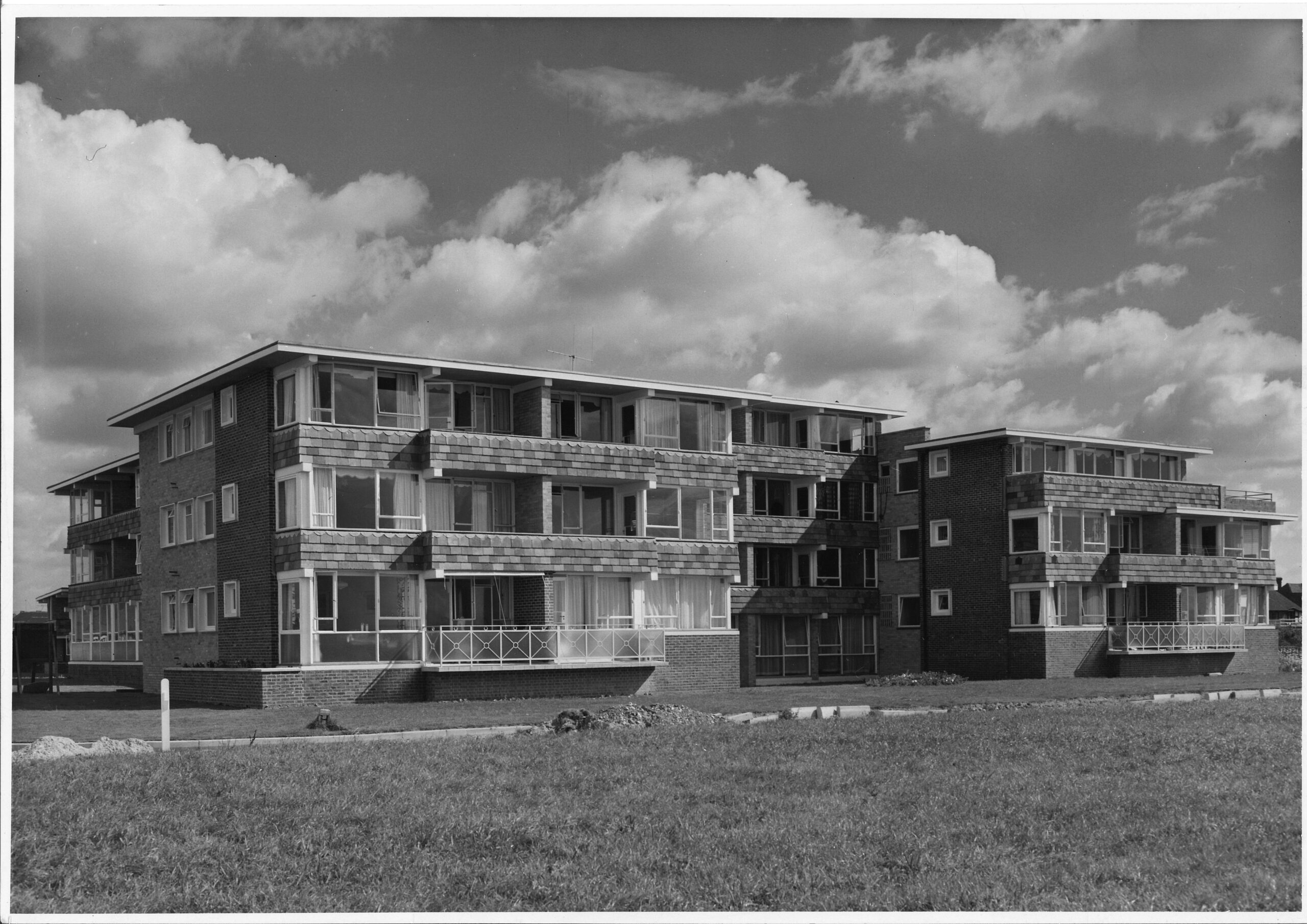
Dolphin Court
Dolphin Court was the holiday home of several musical celebrities including Tony and Gary Osborne, Norman Newell and Cyril Ornadel.